
Pakistan pushes for fresh US-Iran talks as army chief leaves Tehran and PM returns from Turkiye
Pakistan steps up diplomacy as army chief Asim Munir leaves Tehran and PM Shehbaz Sharif returns from Turkiye before expected US-Iran talks in Islamabad.
Munir concludes three-day visit to Tehran
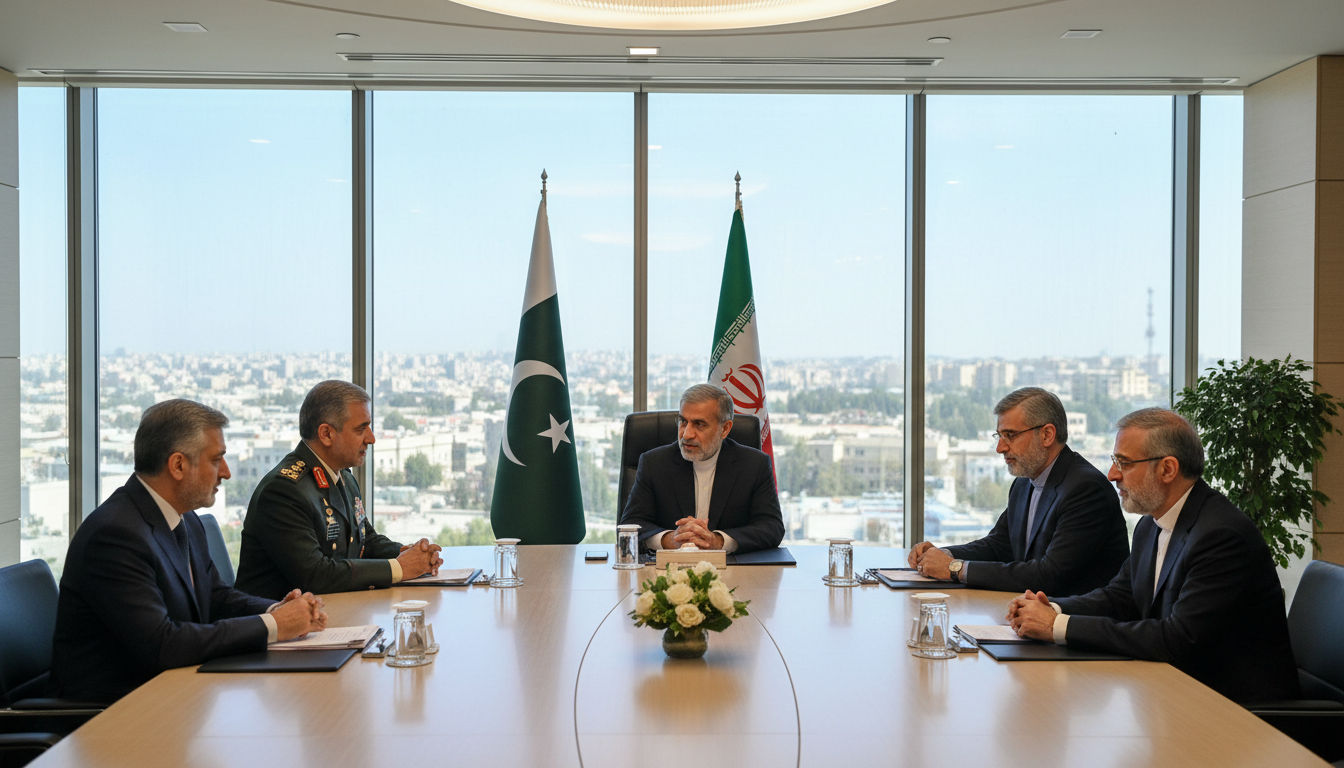
Field Marshal Asim Munir returned to Pakistan on Saturday after a three-day visit to Tehran aimed at supporting mediation efforts for new US-Iran talks.
The Pakistani military said Munir met Iran’s president, foreign minister, parliament speaker and the head of Iran’s military central command during the trip.
The visits were framed by Islamabad as an effort to “facilitate a negotiated settlement” and to promote regional stability, according to the military statement.
Officials described the contacts as part of an intensified, cross-institutional Pakistani push to sustain momentum toward a diplomatic breakthrough.
Prime Minister Shehbaz Sharif ends regional diplomacy in Turkiye
Prime Minister Shehbaz Sharif concluded a three-country diplomatic tour that included Saudi Arabia, Qatar and Turkiye, leaving Antalya after attending a regional forum.
Sharif and Foreign Minister Ishaq Dar departed on Saturday, and the prime minister posted on social media about strengthening fraternal ties and continuing dialogue for lasting peace.
The government presented the trip as complementary to military-led diplomacy, with civilian leadership pressing Gulf and regional partners to support negotiations.
Sharif’s itinerary and public remarks signaled Islamabad’s dual-track approach of political and military engagement ahead of talks expected to take place in Pakistan.
High-level Iranian delegation and previous face-to-face meetings
Last week Iran sent a senior delegation to Islamabad led by Parliament Speaker Mohammad Bagher Ghalibaf and Foreign Minister Abbas Araghchi, marking the highest-level face-to-face contact between Tehran and Washington in decades.
Those meetings reportedly covered ceasefire arrangements and the terms under which maritime and regional restrictions might be eased, but they ended without a final agreement.
Pakistani officials have sought to capitalize on that contact by hosting follow-up talks and by coordinating with regional allies on confidence-building measures.
Islamabad’s role has drawn visible attention from multiple capitals and raised expectations that Pakistan could provide neutral ground for further US-Iran engagement.
Ceasefire timeline and Strait of Hormuz tensions
Diplomacy is occurring under a tight calendar: a ceasefire in the wider conflict remains in force but is due to expire on April 22, 2026.
Renewed restrictions on the Strait of Hormuz, imposed by Tehran hours after the waterway was briefly reopened, have increased urgency around the negotiations.
Iran has accused the United States of violating earlier arrangements related to the Strait, a development that has added pressure on mediators to secure durable commitments.
Analysts warn that any lapse in the ceasefire or escalation in maritime restrictions could complicate or delay the expected sequence of talks in Islamabad.
Signals from Washington and international responses
Former US President Donald Trump and other figures have publicly signaled that a second round of talks could be held in Pakistan in the coming days, drawing attention to Islamabad’s convening role.
Trump’s social-media praise for Pakistani leadership and comments on Munir’s efforts were noted by regional reporters as raising the profile of the mediation process.
Global and regional capitals have responded with cautious support for continued diplomacy, while underscoring that substantive differences remain between Tehran and Washington.
Diplomatic actors say progress will hinge on negotiating specific security guarantees, timelines for reopening maritime routes and enforceable monitoring mechanisms.
Logistics and stakes as Islamabad prepares to host further talks
Pakistani officials are accelerating preparatory work in Islamabad to host additional delegations and technical teams expected for follow-up sessions.
Security planning, neutral venues and arrangements for delegation movements are being coordinated between civilian authorities and military planners as contacts intensify.
Beyond immediate ceasefire management, Islamabad is seeking to position itself as a reliable regional facilitator whose neutrality could be an asset in bridging gaps.
For Pakistan, success would mean reduced regional spillover risks and enhanced diplomatic standing, while failure could expose the country to heightened geopolitical pressures.
The coming days will be critical for whether diplomatic momentum translates into concrete agreements that extend the ceasefire beyond April 22, 2026 and ease tensions in the Strait of Hormuz.

