
Sanae Takaichi Announces UAE Presidential Call on X, Pressing a New Model of Social‑Media Diplomacy
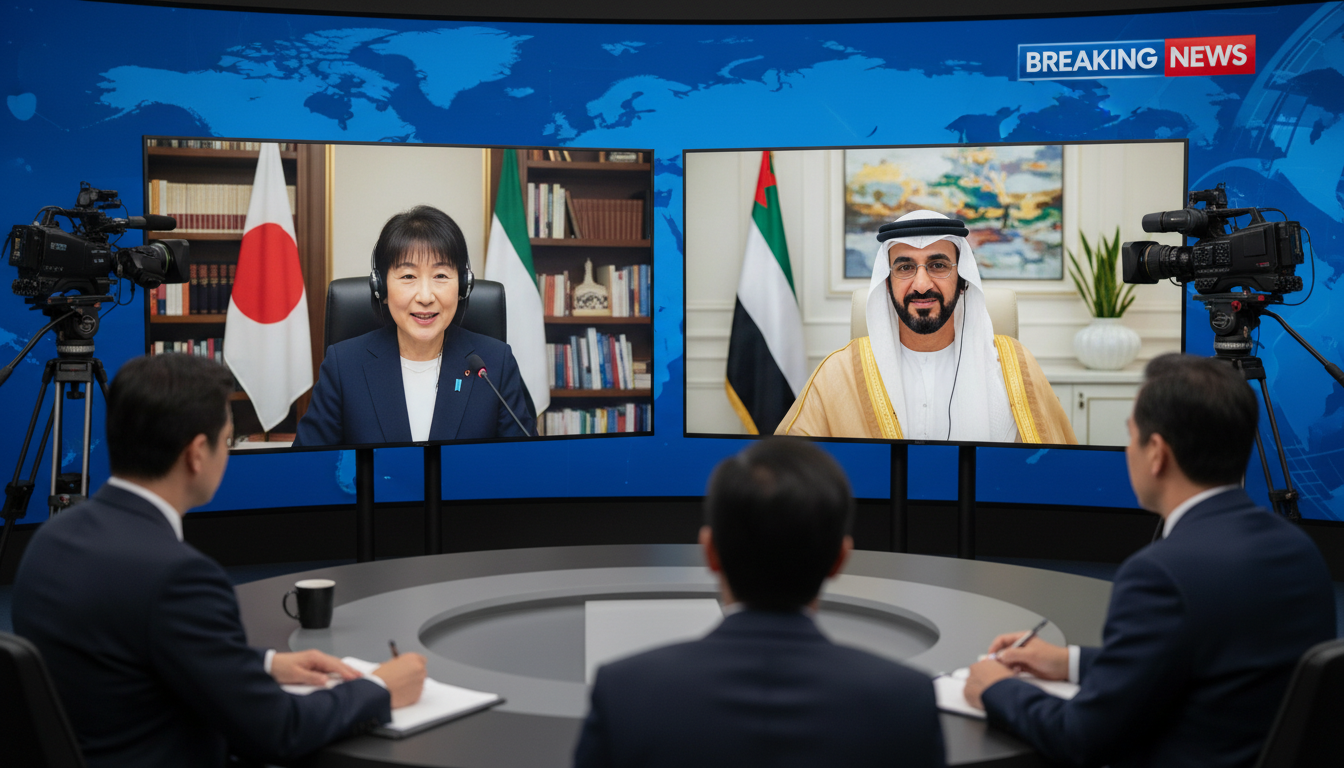
Sanae Takaichi announced on April 7 that she held a phone conversation with the president of the United Arab Emirates via a post on X, highlighting her growing reliance on social media as a tool of diplomacy and governance.
Opening summary
Prime Minister Sanae Takaichi used X to disclose a phone call with UAE President Sheikh Mohammed on April 7, 2026, posting the update at 9:39 p.m. and prompting a near‑identical government release after 10:00 p.m. the same night. The post and the speed of the official confirmation underscore the prime minister’s frequent use of social platforms to convey diplomatic developments. Her approach has become a defining feature of her administration as she marked six months in office on April 21, 2026.
Announcement timing and official confirmation
Takaichi’s X post came roughly ten minutes after the reported call, a cadence that drew attention for its immediacy. Government offices followed with a formal document that repeated the key points shortly after 10:00 p.m., signaling coordination between the prime minister’s communications channel and official channels. The near‑simultaneous public disclosures raised questions in some quarters about how official notices and rapid social posts are being balanced.
Frequency of social‑media communication
The prime minister has maintained an almost daily presence on social platforms since taking office, using posts to report meetings, policy moves and international contacts. This direct style of communication bypasses some traditional gatekeepers in political reporting and can accelerate the spread of official information. Supporters say the practice increases transparency and responsiveness, while critics caution it may compress the time available for careful diplomatic framing.
Public response and follower metrics
Public engagement with Takaichi’s social posts has been substantial: as of April 21, 2026, her X account had grown to roughly 2.86 million followers. That figure greatly exceeds the followings of some recent former prime ministers, cited at about 520,000 for one predecessor and about 810,000 for another, and has amplified the reach of her statements. The difference in scale has translated into faster circulation of announcements and more immediate public reaction after each post.
Diplomatic implications and protocol concerns
Diplomats and foreign‑policy observers say announcements of high‑level contacts via social platforms alter expectations of how bilateral conversations are communicated. Rapid public disclosures can be useful for signaling intent and shaping media narratives, but they also risk preempting coordinated statements with partners. Some career diplomats have flagged potential challenges when a leader’s social posts precede or diverge from traditionally negotiated joint statements.
Political debate and institutional response
Within domestic politics, Takaichi’s style has prompted debate over the balance between agility and institutional norms. Supporters argue the approach helps maintain public trust by providing timely updates, while opponents warn it may undercut established briefing processes and blur lines between personal and official communication. Government offices appear to be adapting by issuing formal releases shortly after the prime minister’s posts, suggesting an operational effort to synchronize channels.
Sanae Takaichi’s reliance on X to report a conversation with the UAE president is the latest example of how social media is reshaping executive communication in Japan. The pattern has brought political advantages in visibility and speed, but it has also sparked questions about the long‑term effects on diplomatic practice and the routines of government information flow.

