
London talks aim to reopen Strait of Hormuz as UK and France lead protection mission
Military planners from 30+ countries met in London as the UK and France move to reopen the Strait of Hormuz and protect freedom of navigation urgently.
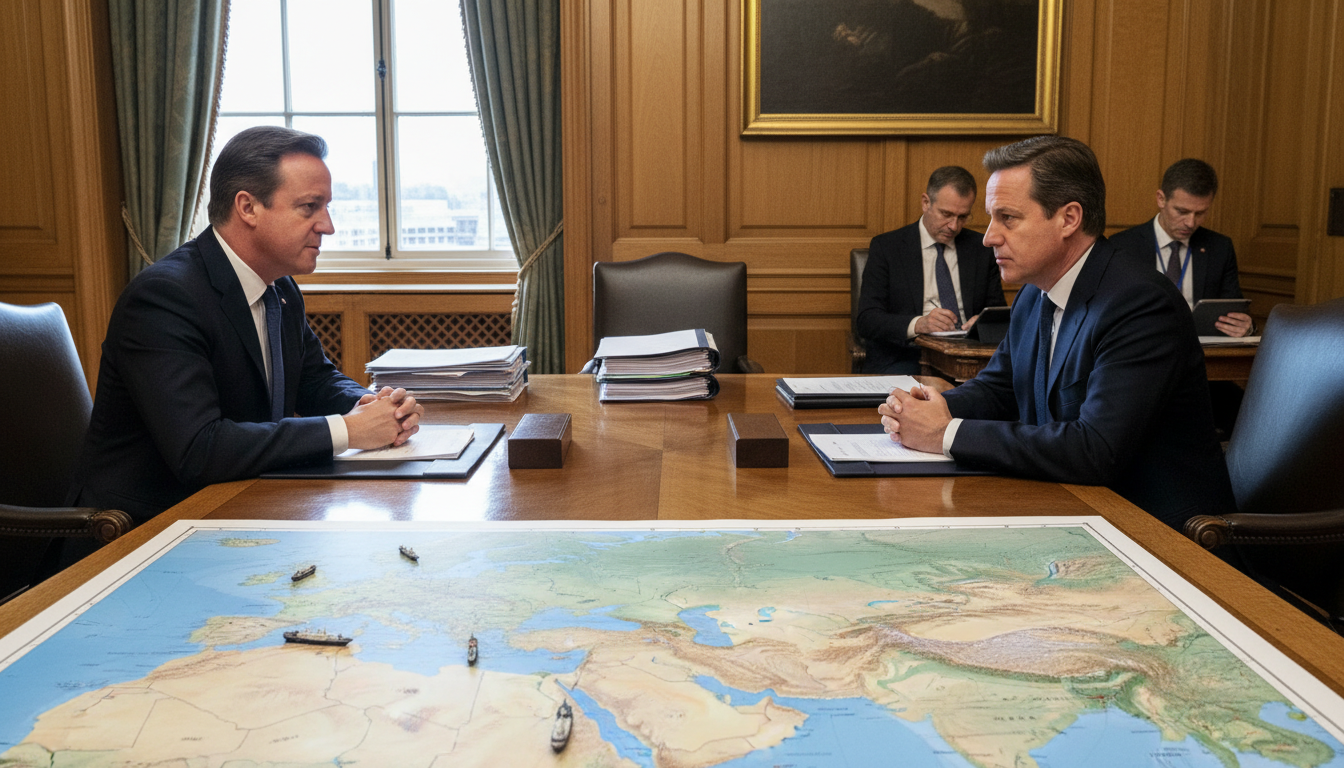
The United Kingdom hosted two days of high-level military planning in London focused on advancing a proposed mission to reopen the Strait of Hormuz and secure maritime traffic, Reuters reported. The discussions brought defence officials and planners from more than 30 countries together to move diplomatic progress toward an operational plan for protecting navigation through the critical waterway. UK and French officials framed the talks as the next step in translating international agreement into concrete measures at sea.
London meeting convened by UK Ministry of Defence
The talks were hosted by the UK Ministry of Defence and ran over a two-day schedule designed to refine operational concepts and coordination mechanisms. Senior military planners and liaison officers discussed command relationships, force packages and routes for safe transit through the Strait of Hormuz. Organizers emphasized the need to align multinational contributions so that escorts and patrols can operate effectively without duplicating effort.
UK and France to lead the navigation protection mission
The United Kingdom and France have taken the lead in proposing a joint mission intended to protect merchant shipping and ensure freedom of navigation in the Strait of Hormuz. Officials described the initiative as a combined effort to deter further disruptions and reduce the risk to commercial vessels that transit one of the world’s most vital chokepoints. UK Defence Secretary John Healey said, "The task, today and tomorrow, is to translate the diplomatic consensus into a joint plan to safeguard freedom of navigation in the strait and support a lasting ceasefire."
Diplomatic groundwork and stated objectives
Delegations arriving in London followed a period of diplomatic engagement meant to build broad support for the operation and to secure diplomatic cover for military measures. The stated objectives are to reopen the Strait of Hormuz for safe commercial passage, deter attacks on shipping, and create conditions that support a lasting ceasefire in the region. Planners framed the mission as both protective—escorting and monitoring vessels—and preventive, by imposing a credible cost on actors that would threaten maritime safety.
International participation and commitments
More than 10 countries have indicated readiness to join the UK- and France-led mission, while military planners from over 30 nations took part in the London talks to shape how that support could be integrated. Participants included representatives tasked with logistics, intelligence-sharing and rules-of-engagement planning, reflecting the complexity of coordinating a multinational maritime security operation. Officials in London said the two-day sessions were intended to move from political agreement to a practical, shareable plan that participating navies and coast guards can implement.
Operational, legal and logistical questions remain
Planners acknowledge that a range of operational and legal questions must be resolved before deployment, including command arrangements, rules of engagement, and the legal basis for interdiction or escort activities. Logistics such as basing, fuel and resupply, air defence overlays, and secure communications across participating forces also require detailed planning. Maritime law considerations and coordination with international organizations will be necessary to ensure operations comply with the United Nations Convention on the Law of the Sea and to manage merchant crews’ safety and commercial liabilities.
Economic and regional implications of securing the strait
Reopening and securing the Strait of Hormuz carries immediate implications for global energy markets and international trade, as a significant share of seaborne oil and liquefied natural gas passes through the channel. A credible multinational presence could lower insurance premiums for vessels, restore regular routing for carriers, and reduce costly detours that increase shipping times and prices. At the same time, planners stressed the need to balance deterrence with diplomatic efforts to avoid escalation that could further destabilize the region.
The London talks signalled a willingness among a broad group of states to move from diplomatic statements to shared military planning in order to restore safe passage through the Strait of Hormuz. Over the next days and weeks, organisers will aim to finalise a framework that sets out roles, legal authorities and timelines so that participating forces can begin coordinated activity if political approvals are secured. The priority expressed by defence officials remains to protect civilian shipping while supporting diplomatic efforts toward a sustainable ceasefire.

