
Timee users sue over alleged illegal last‑minute cancellations of spot work
Nine Timee users filed suit in Tokyo, claiming the app’s last‑minute cancellations of spot work contracts were unlawful and seeking ¥3.12 million in unpaid wages and damages.
A group of nine Timee app users filed a collective lawsuit at the Tokyo District Court on Tuesday, arguing that repeated last‑minute cancellations of “spot work” assignments amounted to unlawful dismissals and breached the platform’s duties. The plaintiffs, based in five prefectures including Tokyo and Aichi, are seeking a combined ¥3.12 million (about $19,600) in unpaid wages and compensation related to cancelled shifts. Their complaint covers assignments accepted by employers between October 2021 and March 2026 that were later cancelled shortly before the scheduled work days.
Details of the lawsuit filed in Tokyo District Court
The complaint, lodged by lawyers representing the nine plaintiffs, says the cancellations occurred 135 times across jobs at establishments such as eateries and hotels. The plaintiffs assert they applied for shifts through the Timee app, were accepted by host employers, and considered the employment relationship established when the app matched them with those employers. They contend that employers’ unilateral cancellations immediately prior to scheduled shifts denied them earned wages and reimbursement for travel expenses.
The legal team framed the lawsuit as a novel attempt to hold a staffing intermediary accountable for last‑minute cancellations rather than addressing only the individual employers. Lawyers for the plaintiffs describe the case as the first of its kind in Japan aimed at establishing intermediary responsibility for spot work cancellations, a move that could influence how on‑demand staffing platforms manage matches and cancellations going forward.
Plaintiffs’ arguments on contract formation and duty of care
Central to the plaintiffs’ case is the claim that a binding employment contract is formed when the Timee app confirms a match between worker and employer. Under that theory, the plaintiffs argue, employers could not unilaterally rescind contracts without owing wages for the lost shifts. They also accuse Timee of failing to exercise a sufficient duty of care to prevent or address what they describe as illegal last‑minute dismissals by host employers.
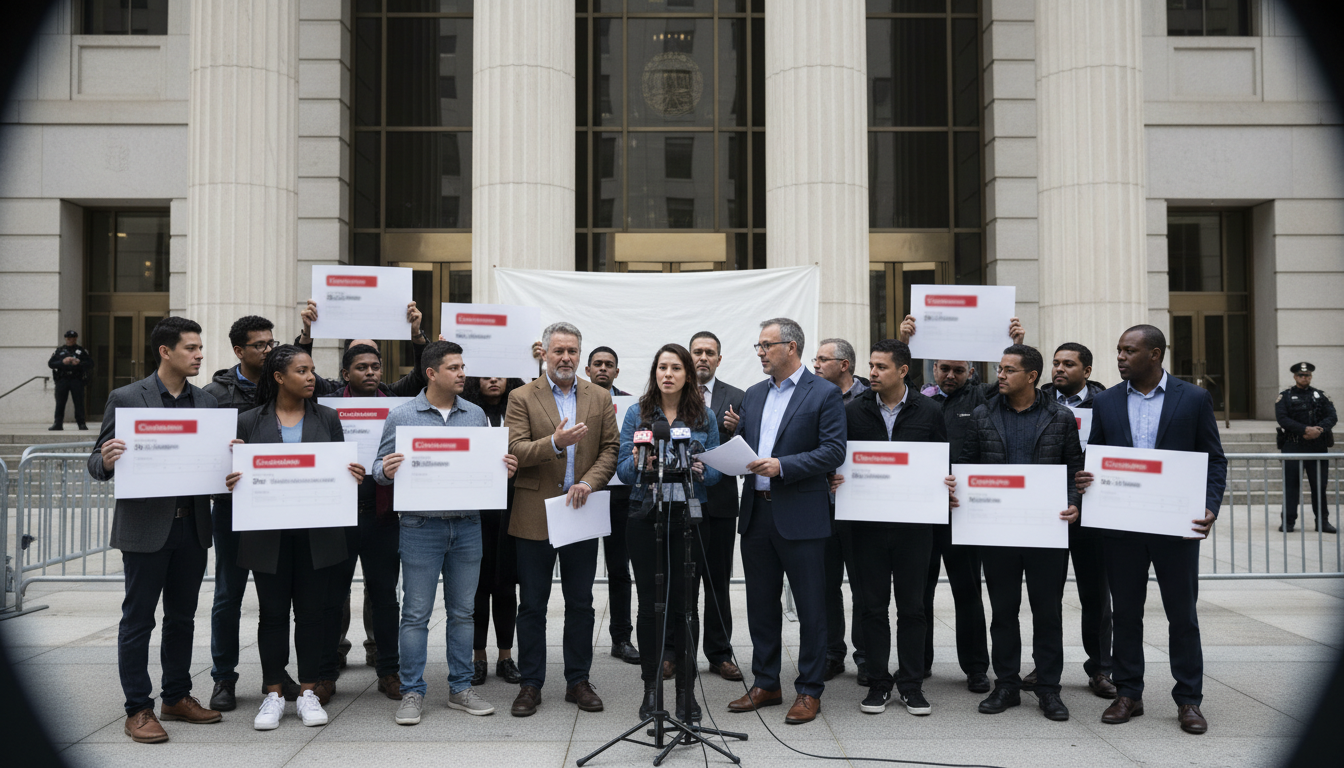
At a press conference after filing the suit, one plaintiff in his 60s said, “I think it’s unreasonable,” and asked for greater recognition of users’ hardships. The plaintiffs’ lawyers are seeking both back pay and damages, and they intend to press the court for findings that could clarify the responsibilities of app intermediaries in the gig economy.
Scope of claims and evidence presented
According to the complaint, the time span of alleged wrongful cancellations runs from October 2021 through March 2026, and the incidents collectively left plaintiffs without promised pay and transportation reimbursements. The total sought — ¥3.12 million — reflects claims for wages earned but not paid and additional damages for inconvenience and financial disruption, according to the filing.
The plaintiffs’ counsel says documentation from the Timee app and communications with host employers will underpin the case, and that patterns of repeated last‑minute cancellations will be presented as part of their evidence. The complaint aims to show not isolated misunderstandings but a systemic problem tied to how the matching and cancellation functions operate on the platform.
Timee’s position and response to the complaint
Timee declined to comment directly on the lawsuit, saying it had not yet received the complaint and could not confirm the facts outlined in court filings. The company’s statement, as provided to reporters, was limited to acknowledging an inability to comment without reviewing the formal documents.
Industry observers note that companies in the on‑demand staffing sector often manage a large volume of short‑term matches, and their public statements typically emphasize platform rules that allow for cancellations by either party under specified conditions. Whether Timee will change its public posture once formally served or take steps to mediate the dispute remains to be seen.
Potential legal and industry implications
Legal experts say the suit could test how existing labor and contract law principles apply to app‑based matching services in Japan’s growing gig economy. If the court accepts the plaintiffs’ argument that a match equates to a binding employment contract, platforms may face pressure to strengthen protections for workers or to alter cancellation policies to reduce last‑minute disruptions.
Beyond contract law, the case may raise questions about intermediary responsibilities, such as whether platforms owe a proactive duty of care to prevent unlawful conduct by host employers and what remedies are appropriate when cancellations occur. A precedent in favor of the plaintiffs could prompt regulatory scrutiny and spur other workers to pursue similar claims.
This lawsuit arrives amid wider debates in Japan about protections for non‑standard workers and the responsibilities of digital intermediaries. Its outcome could influence platform practices, worker protections, and how courts balance flexibility for employers with safeguards for those who rely on short‑term gigs for income.
The Tokyo District Court is expected to determine procedural timetables after being formally presented with the complaint, and both sides may produce further statements as the case progresses through filings and hearings.

