
Justice Ministry Panel Endorses Generative AI Voice Rights for Celebrities
Justice Ministry panel backs protection for celebrities’ voices under publicity and portrait rights amid generative AI misuse; guidelines due summer 2026.
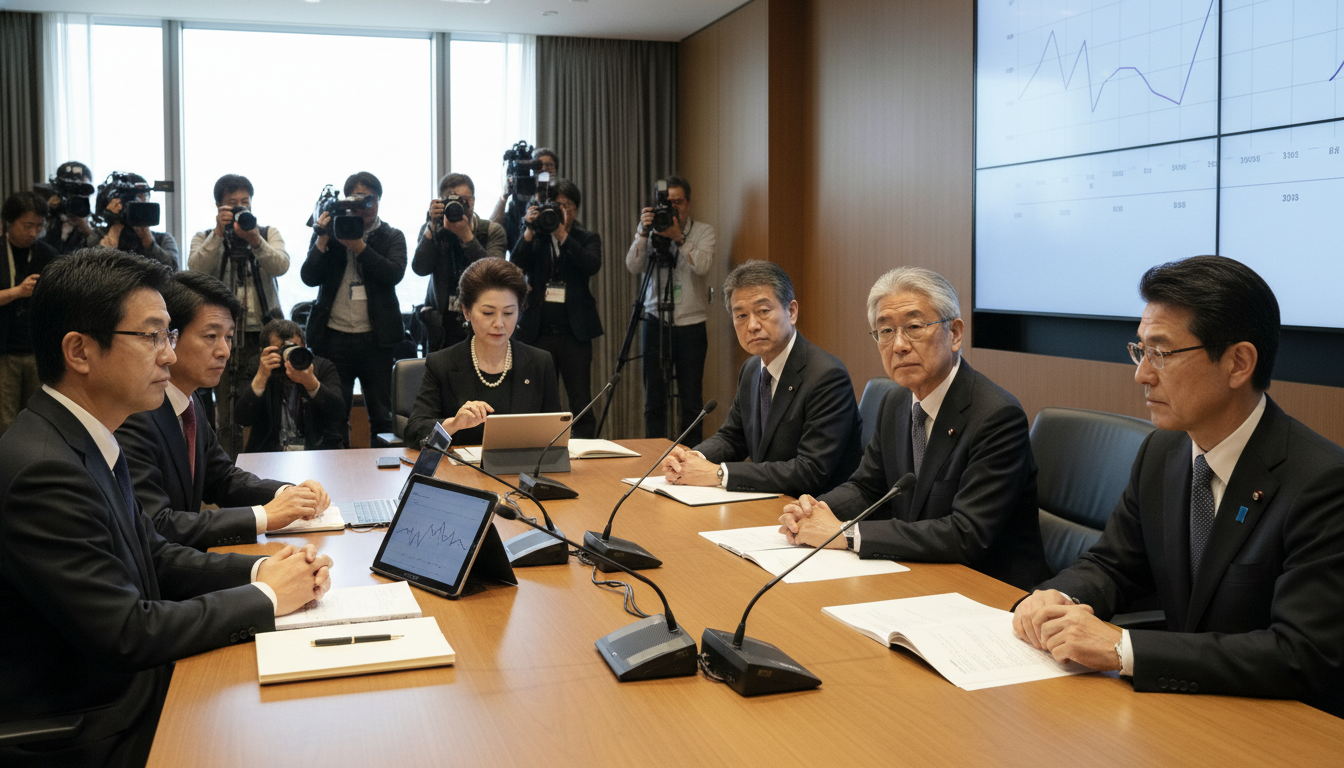
The Justice Ministry’s expert panel agreed Friday that the voices of individuals should be protected under existing publicity and portrait rights, a decision that frames the emerging debate over generative AI voice rights. The panel reached the conclusion at its first session convened to examine civil compensation claims arising from the unauthorized use of celebrities’ images and voices by generative artificial intelligence.
Justice Ministry panel backs voice protection
The panel, established to consider civil remedies for unauthorized image and voice use, concluded voices merit the same legal protection historically afforded to names and likenesses. Members said the rise of sophisticated voice-cloning technologies has created new harms that fall within the intent of publicity and portrait rights.
Officials at the session emphasized that treating voice as a protected attribute would allow claimants to seek civil compensation when their vocal likeness is exploited without consent. The panel did not change statutes but recommended interpreting existing law to cover vocal identity in appropriate cases.
First session focuses on civil compensation claims
The expert meeting was the panel’s inaugural gathering to address claims linked to generative AI-generated content. Participants reviewed case patterns where public figures’ voices were reproduced and used in commercials, endorsements, or media without authorization.
Panel members discussed thresholds for civil liability, including whether replication alone constitutes damage or if demonstrable commercial exploitation must be shown. The session prioritized clarifying how courts might measure harm and set damages in voice-related disputes.
Legal scope: publicity and portrait rights applied to voice
Legal advisers at the panel advocated for an interpretation of publicity and portrait rights that encompasses voice as a personal attribute protected from unauthorized commercial use. Historically centered on names, faces and images, these rights now face pressure to adapt to digitally recreated attributes.
The interpretation proposed by the panel would allow courts to assess cases where synthesized or copied voices create market confusion or dilute an individual’s commercial value. Panelists noted that clear standards are necessary to prevent both under-enforcement and overly broad restrictions on legitimate expression.
Guidelines to be compiled by summer 2026
The Justice Ministry said it will compile practical guidelines on the scope and standards for illegal acts under current law, with completion targeted by summer 2026. The guidance is intended to help judges, lawyers, platforms and rights-holders apply existing statutes to generative AI cases.
The guidelines will seek to define what constitutes unauthorized use, the evidentiary burden for claimants, and appropriate remedies within civil law. Officials indicated the guidance will not create new criminal offenses but will clarify civil pathways for redress.
Experts flag enforcement and cross-border challenges
Legal experts warned that enforcing voice protections will be complicated by cross-border platforms and the speed of content dissemination. Proving a voice was used without consent and tying that use to commercial damage require technical forensics and clear chains of evidence.
Panel members urged cooperation with technology platforms and urged development of attribution tools that can trace synthetic audio to source models. Several participants also recommended exploring registry or consent frameworks to streamline clearance for commercial uses of celebrity voices.
Industry and creator community responses expected
Rights-holders, talent agencies and content platforms are likely to scrutinize the ministry’s forthcoming guidance for its impact on contracts and content moderation. Entertainment industry representatives have increasingly called for legal clarity to protect performers’ earnings and reputations from unauthorized synthetic reproductions.
At the same time, creators and some technology advocates have signaled concerns that overly broad protections could chill legitimate parody, commentary and artistic practice. The ministry indicated its guidance will attempt to balance rights protection with freedom of expression.
The panel’s decision marks a notable step toward adapting Japan’s civil law framework to the challenges posed by generative voice technologies, and it sets the stage for further consultations as the ministry prepares its guidance by summer 2026.

