
Morbi ceramics shutdown idles about 450 factories and forces mass migrant returns
Morbi ceramics shutdown due to global fuel shortages has idled about 450 factories, paused exports and forced thousands of migrant workers home, causing crisis.
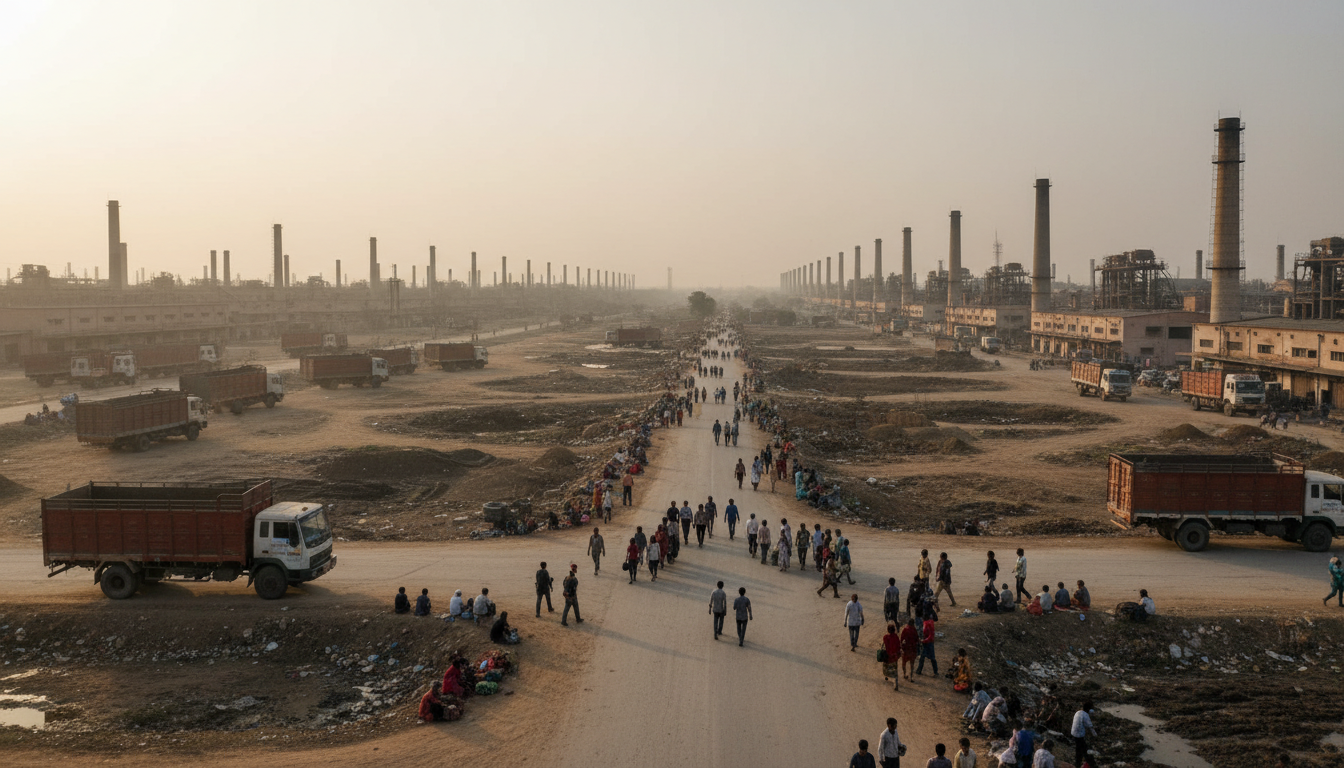
The Morbi ceramics shutdown that began in mid-March has left hundreds of tile and sanitaryware plants in Gujarat silent, uprooting thousands of employees and stalling shipments abroad. The disruption was triggered by a global fuel squeeze after hostilities in the Strait of Hormuz affected supplies of propane and natural gas, vital fuels for high-temperature kilns. The pause in production has exposed both the industry’s dependence on imported fuel and deep vulnerabilities among its largely migrant workforce.
Around 450 of 600 Morbi factories shut over fuel shortfall
Morbi, which produces an estimated 80 percent of India’s ceramic tiles and sanitaryware, counted more than 600 registered units before the shutdown. Industry sources report that about 450 of those units halted operations when propane supplies ran out and state gas allocations tightened. Company representatives who have reopened say only roughly 100 units resumed limited activity by mid-April, leaving the bulk of the cluster idle.
Manufacturers cite sharply higher prices for new gas connections and constrained availability of bottled propane as barriers to a swift restart. Many small and medium firms said they would not restart until supplies stabilise and input costs are predictable.
Supply chain and export disruptions deepen losses
The stoppage has interrupted a supply chain that exports ceramic products worth about $1.5 billion annually to markets in the Middle East, Africa and Europe. Exporters reported delays and cancellations as production windows closed and shipping schedules slipped. Traders warned that contracted deliveries are being postponed or renegotiated, increasing the risk of financial penalties and lost business.
Domestic sales have also been hit by limited stock and higher logistics costs. Industry analysts say the short-term effect is likely to be acute revenue loss, while longer-term damage could include erosion of buyer confidence and a move by overseas clients toward alternative suppliers.
Thousands of migrant workers return to home states
The shutdown prompted a wave of return migration as many daily-wage workers and temporary staff travelled back to poorer states such as Uttar Pradesh, Bihar and West Bengal. Local associations estimate that more than 200,000 jobs were affected, with at least a quarter of those workers departing Morbi within days of closures. Families who had relied on ceramic wages to finance home repairs and school fees now face immediate financial hardship.
Several returned workers described borrowing money to survive the journey and to repair homes, warning of mounting debt. Some families elected to remain in company-provided housing while waiting for kilns to restart, but those households report reduced rations and limited access to basic services.
Silicosis cases underline long-term health risks
Health advocates and former employees say the crisis has further highlighted occupational hazards in Morbi’s factories. Clinic screenings among returning workers detected cases of silicosis, an incurable lung disease caused by prolonged inhalation of silica dust from clay, quartz and sand used in ceramic production. Workers described persistent coughs, breathlessness and fever before leaving the town; some only sought medical attention after returning home.
Labour activists say poor ventilation, absence of protective equipment and lack of routine health checks are common across many units. Workers who fall ill often lack formal employment records, hindering access to compensation and social security benefits, according to local campaigners.
Manufacturers weigh switch to costlier gas connections
Some manufacturers have considered converting to piped natural gas to reduce dependence on propane, but the cost of new connections and higher tariffs has dissuaded many small units. Local traders report that a new connection is being priced significantly higher than existing supply contracts, creating a financial hurdle for family-run operations. For proprietors, the decision to reopen rests on whether they can secure affordable, reliable fuel and a stable workforce willing to return.
Association leaders urged state and central authorities to consider temporary subsidies or bulk procurement arrangements to stabilise fuel supplies. They argue that short-term fiscal supports could prevent permanent closures and protect a supply chain that supports hundreds of ancillary businesses.
Short-term pause with wider economic implications
Economists warn that the Morbi ceramics shutdown is not only a local or regional problem but one with ripple effects across manufacturing linkages in India. A prolonged halt could lead to factory bankruptcies, loss of export market share and increased prices for domestic buyers. Recovery timelines hinge on developments in the Gulf and on the ability of companies to switch fuel sources or secure imports of propane.
Local officials and industry representatives expressed cautious hope that supply lines would normalise within weeks if geopolitical tensions ease, but also acknowledged significant uncertainty. Until then, households dependent on ceramic wages confront immediate income loss while the industry grapples with health, labour and logistical challenges.
The unfolding situation in Morbi highlights how geopolitical shocks can translate rapidly into local economic distress, amplifying existing weaknesses in worker protections and industrial resilience. The coming weeks will be critical for both the town’s factories and the thousands of families that depend on them.

