
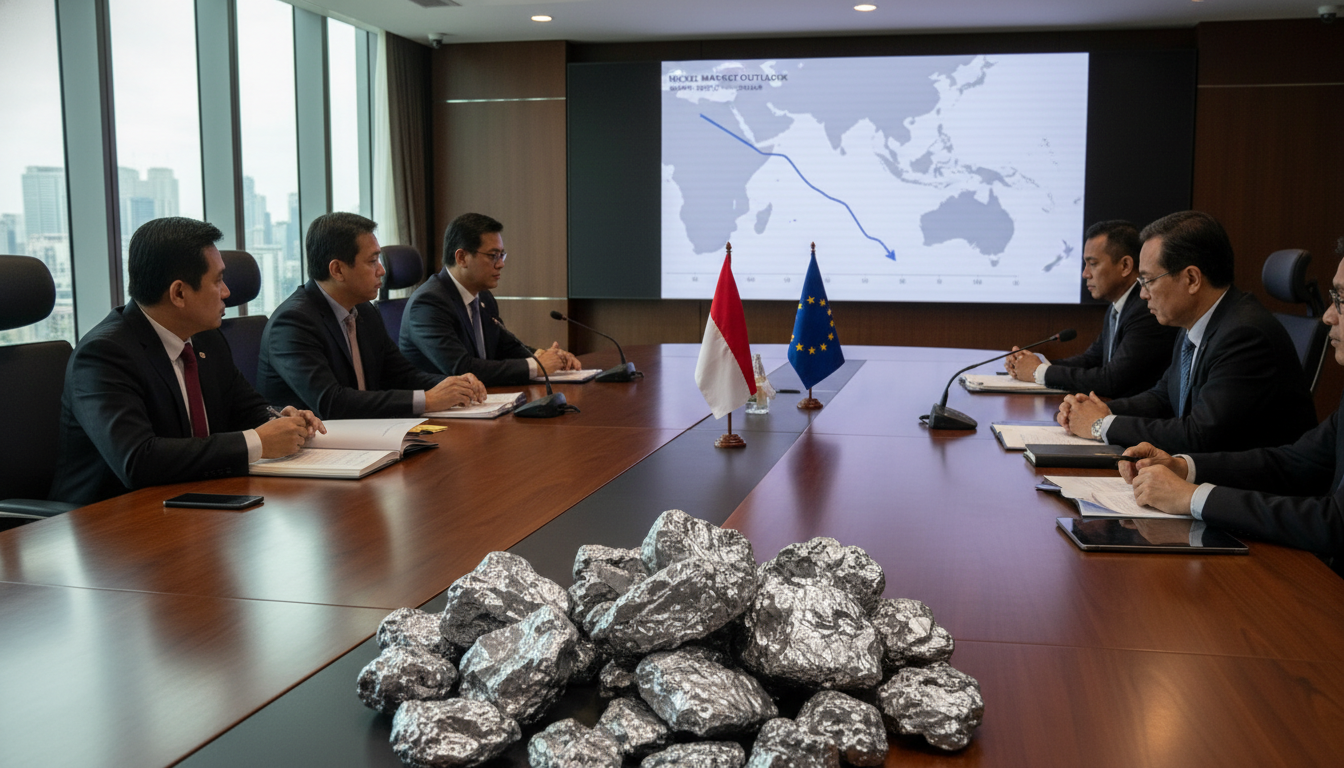
Global nickel supply deficit looms as Indonesian policy uncertainty and sulfur shortages choke output
Rising policy uncertainty in Indonesia and disruptions to sulfur supplies linked to the Iran conflict are driving the global nickel market toward its first supply deficit in five years, threatening battery feedstock for electric vehicles.
Indonesia, the world’s largest nickel producer, and interruptions to sulfur shipments used in acid-leach processing have combined to tighten flows of refined nickel, raising the prospect of a near-term shortfall. HPAL smelters that convert laterite ore into battery-grade materials are particularly exposed to interruptions in both regulatory clarity and chemical inputs. Market participants say the convergence of these pressures is straining inventories and altering buying patterns.
Indonesia policy moves curb output
Indonesia’s policy environment has become a central focus for nickel producers and buyers as officials weigh adjustments to downstream processing rules and export measures. Uncertainty around permitting, domestic processing requirements and potential quotas has prompted some companies to delay expansions or move more cautiously on investment decisions.
That hesitancy can translate quickly into lower refined output, since large-scale HPAL and smelting projects require long planning horizons and steady regulatory signals to operate at planned capacity. When policy signals shift, projects face financing, supply chain and commissioning delays that reduce near-term production.
Sulfur shortages disrupt acid-leach operations
Sulfur is a vital feedstock for producing sulfuric acid used in high-pressure acid leach (HPAL) processing, the method many Indonesian smelters use to convert nickel laterite into battery precursors. Disruptions to sulfur shipments tied to the Iran conflict have constrained availability, forcing some plants to curtail throughput or seek more expensive alternative supplies.
Smelters on islands such as Obi, which run HPAL facilities, are particularly vulnerable because logistics and local storage buffers are limited. Even short interruptions to sulfur deliveries can force temporary reductions in operating rates, directly reducing the flow of nickel intermediates bound for battery manufacturers.
Market reaction and inventory tightening
Traders and refiners report growing caution as stocks at critical nodes shrink and lead times for refineries extend. The combination of supply-side interruptions and cautious purchasing behavior has led some buyers to defer contracts and seek alternative sources, contributing to greater short-term price volatility.
While spot and forward markets can adjust through substitution and accelerated shipments from secondary suppliers, the physical nature of HPAL production and chemical shortages means that any price signal is likely to be matched by real supply constraints over the coming months. This dynamic increases the likelihood that the market will register a measurable deficit in refined metal balances.
Risks to electric vehicle battery supply chains
Nickel is a core component for many high-energy lithium-ion batteries used in electric vehicles, and a sustained shortfall in refined nickel could reverberate through battery supply chains. Battery cathode makers and automakers could face higher input costs and tighter availability of battery-grade nickel precursors if HPAL output remains constrained.
Some manufacturers may accelerate sourcing diversification, increase recycling of nickel-bearing materials, or adjust cathode chemistries to reduce nickel intensity. However, such adjustments take time and investment, meaning any immediate shortfall would create near-term logistical and cost pressures for battery producers and vehicle assemblers.
Producers and policymakers consider mitigation steps
Industry participants are weighing a range of options to ease the squeeze, including securing alternative sulfur suppliers, extending inventories, and accelerating investment in low-cost refining capacity outside the most affected regions. Importantly, clear and stable policy signals from Indonesian authorities could unlock delayed projects and reassure financiers.
Policymakers face a balancing act between protecting domestic downstream processing objectives and ensuring continued investment and reliable exports. Rapidly implemented measures to stabilize chemical imports or provide temporary waivers for critical inputs could blunt the most acute production impacts and give markets time to adjust.
Looking ahead, market watchers say the nickel sector will require closer coordination between producers, chemical suppliers and regulators to prevent the short-term squeeze from becoming a longer-term structural shortage. Continued monitoring of Indonesian policy decisions and sulfur supply routes will be essential for stakeholders across the battery and mining value chains.

