
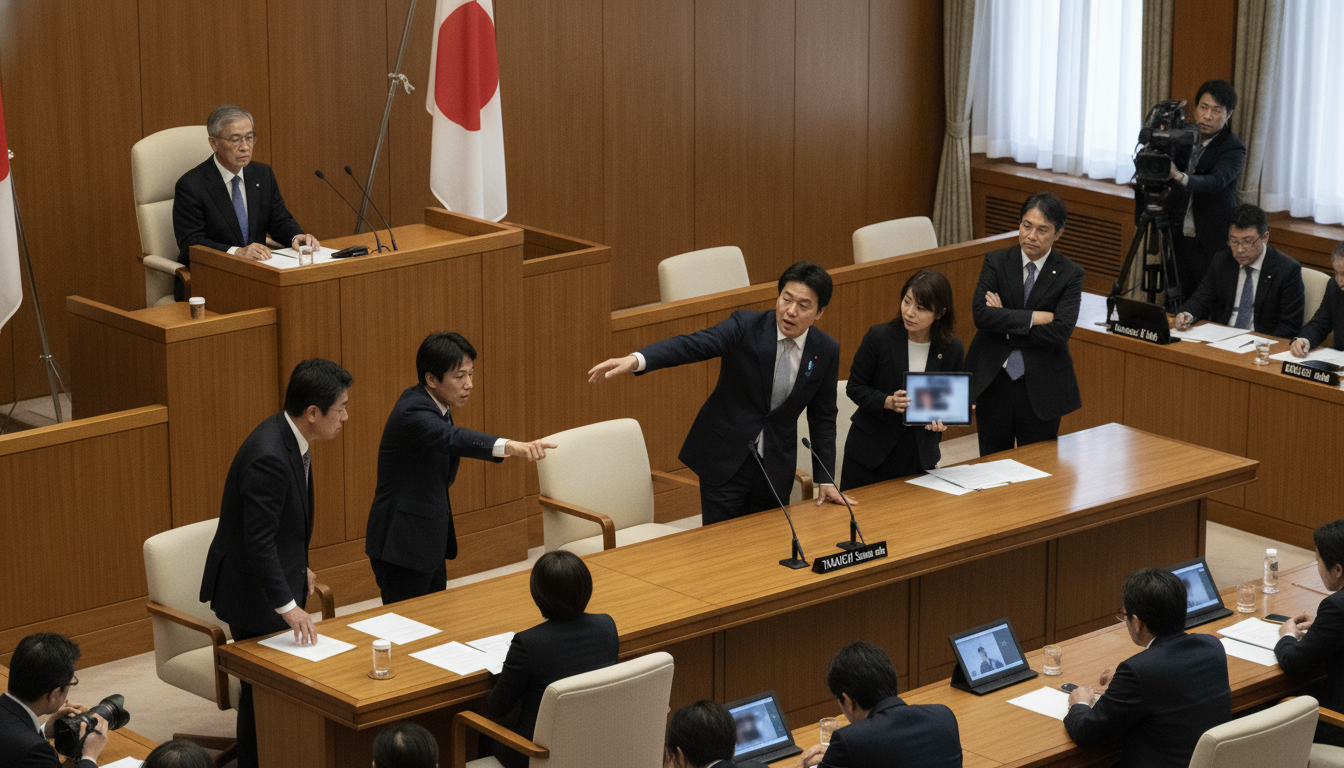
Takaichi aide’s alleged SNS posts spur opposition demand for witness testimony at Upper House budget committee
June 9, Opposition pressed to summon Prime Minister Sanae Takaichi’s aide to the Upper House budget committee over alleged defamatory SNS posts; LDP said no.
Prime Minister Sanae Takaichi’s local aide is at the center of a parliamentary dispute after reports tied the aide to social media postings that allegedly defamed other candidates during the Liberal Democratic Party leadership contest. On June 9, the Constitutional Democratic Party pressed the ruling bloc to summon the aide as a witness to the House of Councillors budget committee this month to verify audio clips and online activity. The Liberal Democratic Party declined the request, setting up a confrontation over transparency and parliamentary oversight.
Opposition demands aide testify at budget committee
Yoshitaka Saito, the Constitution Democratic Party’s head of Diet affairs, met with Upper House LDP Diet affairs chief Hitohiko Isozaki on June 9 to press for a reference witness summons of Takaichi’s aide to the upcoming budget committee session. Saito argued that having the aide appear before the committee would be the quickest way to dispel lingering doubts about the authenticity of audio and the extent of the aide’s involvement. The request follows a media outlet’s paid release of audio said to originate from an online meeting in which the aide purportedly participated.
Isozaki responded that it would be “difficult” to accede to the opposition’s demand and suggested instead that questions be resolved through exchanges involving the prime minister. The LDP’s refusal leaves the opposition vowing to pursue formal parliamentary measures and raises the prospect of a protracted dispute during a session that will also consider budgetary matters.
LDP cites procedural and political concerns in refusal
In their meeting, LDP officials signaled reluctance to summon a private staff member as a reference witness amid concerns about parliamentary precedent and internal party discipline. Isozaki’s comment that he preferred inquiries “through the prime minister” reflects the party’s stance that the matter should be handled at the executive level rather than through a public Diet hearing of an aide. Party sources said the LDP fears a witness summons could set a precedent for frequent calls to staffers and complicate other ongoing committee schedules this month.
Opposition lawmakers counter that procedural concerns cannot override the need for clarity when alleged misconduct intersects with a national political contest. They maintain that the budget committee, which has oversight responsibilities and scheduled sessions in June, is the proper forum for establishing facts about potential misuse of social media by political aides.
Prime Minister’s June 5 remarks and the contested audio
At a June 5 session of the Upper House budget committee, Prime Minister Takaichi characterized an audio file published by Shukan Bunshun as giving her a sense of “unease,” without confirming its contents. The weekly magazine released the audio on a paid basis, saying it captured an online meeting in which the aide participated and in which disparaging remarks about other LDP presidential candidates were discussed. Opposition parties pressed at the time for the aide to personally verify whether the recording reflected reality and to explain the nature of the online meeting.
The prime minister’s comment stopped short of a clear denial or admission, prompting the opposition to reiterate demands for direct testimony. Lawmakers on both sides have since focused on whether the audio can be authenticated and whether any misconduct implicates the prime minister’s office or remains confined to the actions of a subordinate.
Parliamentary implications and oversight questions
Legal and parliamentary analysts say the standoff raises broader questions about the scope of Diet oversight over political staff and the boundaries between private communications and public accountability. Reference witness summonses are used sparingly, and the LDP’s resistance highlights tensions between political self-protection and the opposition’s investigative mandate. Some specialists note that if the committee insists and is denied, opposition parties could escalate with motions or seek evidence through other Diet mechanisms.
The episode also spotlights how social media and privately recorded online meetings are changing the evidentiary landscape for parliamentary inquiries. Verifying the provenance and authenticity of digital recordings can be technically complex and time-consuming, underscoring why both sides are framing the dispute in procedural terms as well as political ones.
Outlook for the budget committee and potential resolutions
With the budget committee scheduled to meet later this month, lawmakers are watching for how leaders will manage the clash. The opposition says it will press for a clear explanation of why the aide cannot be summoned if the LDP continues to oppose the request. LDP officials have signaled they may offer alternative steps, such as responses from party leadership or a closed briefing, but details have not been agreed.
If the LDP persists in refusing a public witness appearance, the matter could widen into questions about oversight of political aides and fuel further scrutiny of campaign-era conduct. Observers expect negotiations over timing, format and the scope of questioning as pivotal to whether the dispute is resolved quickly or becomes an extended parliamentary flashpoint.
The coming weeks will test whether the budget committee can reconcile its oversight duties with political sensitivities surrounding campaign conduct and staff responsibility.

