
Best Mt. Fuji Tours from Tokyo: Top Day Trips, Costs and Practical Tips
Compare the best Mt. Fuji tours from Tokyo—scenic Lake Kawaguchi trips, Hakone combinations, onsen visits, climbing and helicopter options—plus practical booking and timing advice.
The best Mt. Fuji tours from Tokyo now come in many formats, from relaxed lake-side sightseeing to full-day climbing expeditions and even aerial helicopter flights. Travelers can choose guided bus day trips, private chauffeured tours, family-friendly itineraries or intensive summer climbing packages depending on how close they want to get to Japan’s iconic peak. This guide evaluates the most popular tour types, highlights what you can expect at each stop, and gives practical booking and seasonal advice to improve the odds of seeing clear views of Mt. Fuji.
How to choose the right Mt. Fuji tour
When deciding among Mt. Fuji tours, start by asking whether you want a view of the mountain or a view from the mountain. Tours that go up to the 5th Station let you say you stood on Mt. Fuji, but they are often clouded in the same weather that hides the peak from distant vantage points. Conversely, scenic routes that focus on Lake Kawaguchi, Chūreitō Pagoda or Oishi Park can provide more reliable photographic opportunities when conditions are favorable.
Timing and weather are the second major considerations for booking a Mt. Fuji tour. Clear visibility is most likely in winter, but climbing is only permitted during the official season in summer. For day-trip travellers based in Tokyo, the common recommendation is to check the forecast and book no more than a week in advance to maximize the chance of clear skies. Weekend and national holiday departures are typically busier and more expensive, so midweek departures often offer a smoother experience and shorter transfer times.
Finally, consider mobility and comfort when choosing a format. Large coach tours are cost-effective and include commentary and multiple photo stops, while private vehicles give families and accessibility-minded travellers the flexibility to set pace, request child seats, and limit walking. High-end options such as helicopter flights are a premium choice for aerial photography and one-off experiences but come with substantial cost.
Most scenic route: Lake Kawaguchi, Chūreitō Pagoda and Saiko Iyashi no Sato
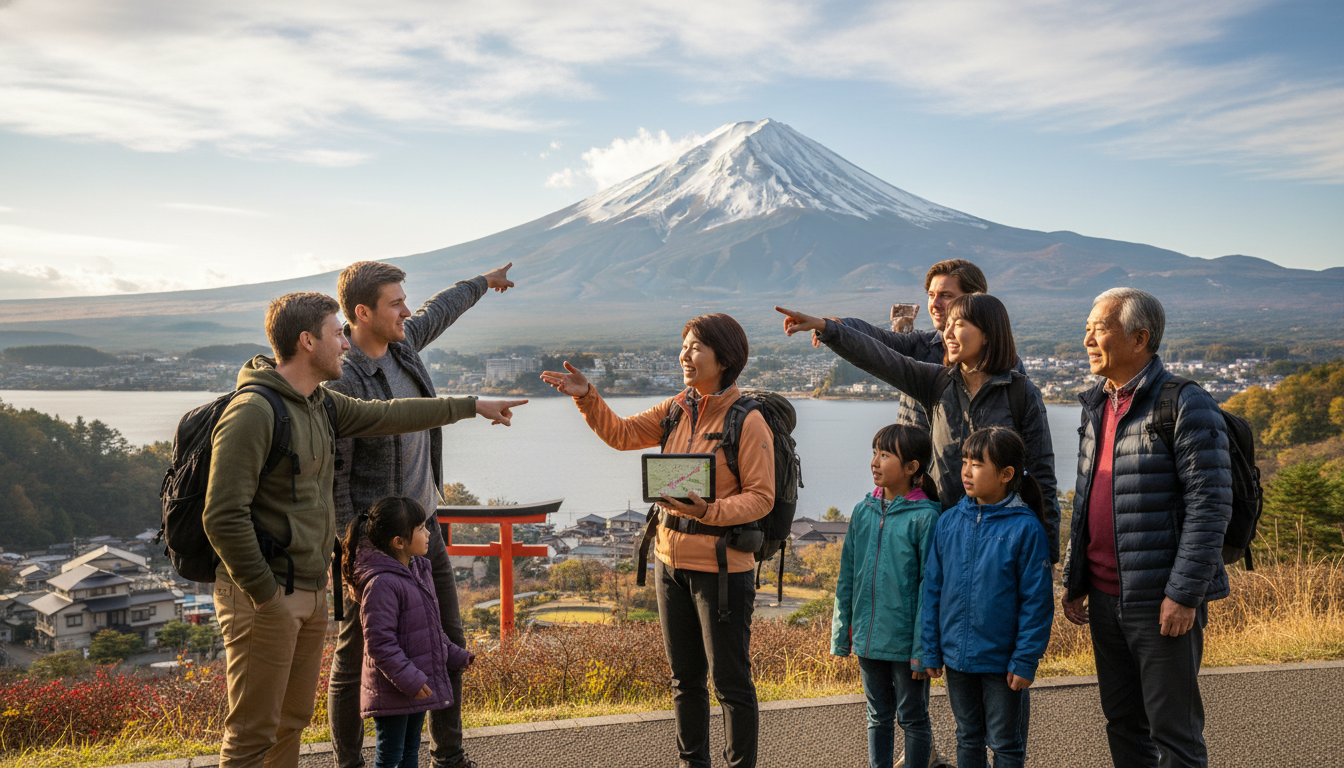
One of the most consistently recommended sightseeing tours focuses on Lake Kawaguchi and the surrounding viewpoints, including the Chūreitō Pagoda and Saiko Iyashi no Sato. These stops were selected because they frame Mt. Fuji in classic compositions that have become synonymous with Japan’s mountain imagery. Visitors typically have time for short walks, lakeside photo stops and a chance to browse traditional crafts in the reconstructed thatched houses of Healing Village.
The typical itinerary begins with a comfortable coach ride from central Tokyo and brings passengers to a wooden pagoda set against the mountain and an expansive view across Lake Kawaguchi. Guides usually schedule a longer lunch break near the lake, where upgrading to an included meal can be convenient because dining options around some stops are limited. The final stop is often a cultural village or open-air museum where artisans sell handcrafted souvenirs and there is another opportunity for a clear view of Mt. Fuji when skies cooperate.
For photographers and first-time visitors, this route offers the best combination of classic angles and accessible facilities without committing to a strenuous climb. Expect a full day of travel, with round-trip coach transport and English-language commentary on many scheduled departures.
Hakone plus Mt. Fuji 5th Station: scenic variety and ropeway views
Tours that combine Hakone with a visit to Mt. Fuji’s 5th Station are popular because they mix mountain scenery with coastal-lake attractions and ropeway panoramas. These full-day excursions typically include a climb by bus to the 5th Station to experience being on the mountain, followed by a Hakone ropeway ride and a short cruise on Lake Ashinoko. The variety makes them a good choice for travellers who want diverse scenery in a single day.
Most of these combined tours depart from Shinjuku or Ginza and include a return Shinkansen ticket or other high-speed transfer for the return leg, depending on the operator. If you upgrade to include lunch, it is frequently served as a buffet with multiple options; operators may offer vegetarian or halal alternatives on request but travellers should confirm dietary needs in advance. Multilingual audioguides and onboard Wi‑Fi are common features on the larger operators’ buses.
Travel time and transfers mean that expect a long day, but the payoff is a chance to see Mt. Fuji framed by Hakone’s volcanic scenery and to experience attractions such as the Hakone Ropeway, which can deliver a dramatic panorama of the mountain on clear days. If you have limited time in Japan and want a varied itinerary, the Hakone-Fuji combo is a pragmatic solution.
Relaxing options: onsen visits, fruit picking and family-friendly private tours
For visitors seeking a gentler pace, several Mt. Fuji tours pair sightseeing with onsen visits, seasonal fruit picking or shopping stops that suit families and older travellers. Onsen tours typically bring guests to baths that claim views of Mt. Fuji, though onsen entry usually requires an additional fee and some basic etiquette preparation. Fruit-picking itineraries, especially in Yamanashi Prefecture, offer a seasonal and hands-on experience combined with local cuisine such as regional noodle specialties.
Private and customizable tours are the top recommendation for families and travellers with specific accessibility needs. These services often provide hotel pick-up in an air-conditioned vehicle, options for child seats and the capacity to accommodate strollers, wheelchairs and service animals. Private tours allow families to choose a mix of stops—be it a quick visit to a 5th Station viewpoint, time at an open-air museum, or extended onsen relaxation—without the constraints of a group schedule.
Shopping-focused itineraries commonly include a stop at the Gotemba Premium Outlets or a similar retail destination after admiring Mt. Fuji from nearby vantage points. These tours are convenient for travellers who want to combine sightseeing with bargain shopping and are usually structured with free time at the outlet and a return coach to Tokyo.
High-end and active experiences: helicopters, climbing tours and guided treks
For travellers looking for an exceptional perspective, helicopter flights from Tokyo provide aerial views of Mt. Fuji and the city skyline but come at a premium price and are typically sold per group. Helicopter operators tailor flight paths to current weather to optimise visibility, so these tours exist for travellers who place a high value on a unique visual experience and are prepared to pay accordingly. The flights also offer a chance to photograph the peak and surrounding landscape from angles inaccessible to ground tours.
Active travellers who want to climb Mt. Fuji will find guided trekking tours that operate during the official summer climbing season. These programs generally include pick-up and drop-off from central Tokyo, English-speaking guides, and the option to hike from mid-station points up to higher stations or the summit depending on fitness and conditions. Climbing tours are chargeable per group on many operators and may include snacks, lights for early summits and basic safety briefings, but climbers should prepare with appropriate clothing, altitude acclimatisation and an awareness of seasonal restrictions.
Guided multi-station treks and summit attempts require more planning than standard sightseeing tours and are affected by weather and trail regulations. If summiting is the goal, book well in advance for the climbing season and verify the tour operator’s safety record, guide qualifications and emergency procedures.
When to book, how much to expect and practical travel tips
Timing is a critical factor for anyone booking Mt. Fuji tours because visibility is highly weather-dependent. The clearest views are often found in winter, but if you want to climb the mountain you must wait for the official season between July and September. For day trips from Tokyo that seek clear views, many travellers check forecasts and reserve spots within seven days of departure to maximize the chance of a photographic day.
Costs vary widely by format: budget coach tours and outlet-shopping itineraries can start at modest prices, scenic and combined tours typically sit in the mid-range, and private, helicopter or full climbing packages command considerably higher fees. Many operators offer optional lunch upgrades and add‑on activities such as hot-spring entry or ropeway tickets; these extras can improve convenience but should be evaluated against personal budget and dietary needs. Remember that weekend departures and national holidays often carry higher prices and heavier traffic, which can extend travel times on coach-based tours.
Practical packing and day‑of advice will improve any Mt. Fuji experience. Bring layers for significant temperature changes from Tokyo to higher elevation viewpoints, carry sun protection and water, and have contingency plans for limited dining options at some stops. Because a day trip to Mt. Fuji commonly takes ten to twelve hours, consider whether an overnight stay in the Fuji Five Lakes or Hakone area would give you a more relaxed visit and more opportunities to catch clear views at dawn or dusk.
Choosing between a single-day sightseeing tour and a multi-day stay depends on priorities: if your primary goal is to capture a classic photo of Mt. Fuji against seasonal flowers or autumn leaves, plan for more than one chance to spot the mountain. If you prioritize convenience and a one-day return to Tokyo, pick a reputable operator that includes commentary, a clear itinerary and transparent pricing for optional extras.
For travellers requiring accessibility accommodations, private tours offer flexibility and make it easier to request child seats, wheelchair access and service-animal arrangements. Large group tours vary in their ability to accommodate special needs, so confirm accessibility options directly with operators before booking. Finally, if seeing Mt. Fuji clearly is essential to your trip, consider combining real-time weather checks with flexible booking policies so you can reschedule for a clearer day if necessary.
If you have specific travel dates, group size, or mobility needs, consult tour operators directly for the latest availability, precise pricing and any seasonal service changes before you book.

