
Tankers Avoiding the Strait of Hormuz Head to Japan; Majority Depart from UAE’s Fujairah
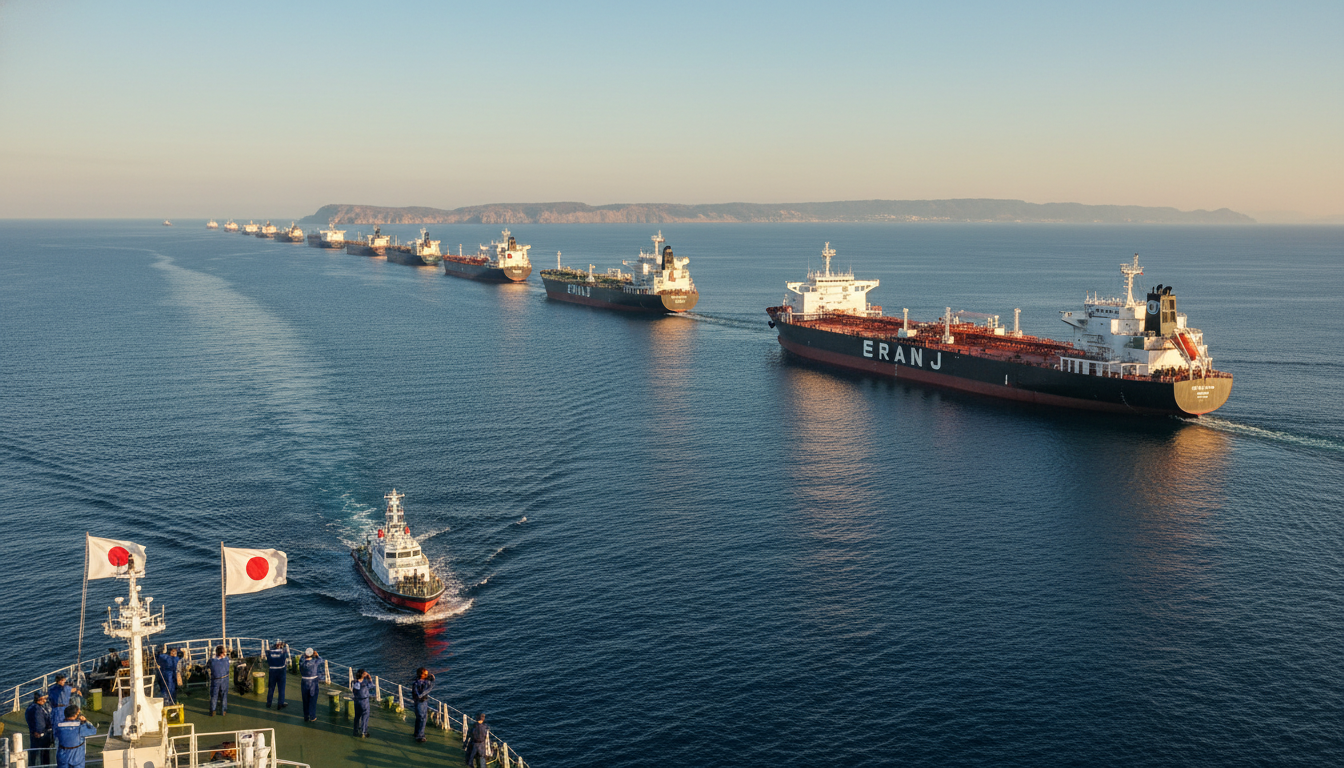
As of May 1, 2026, 11 tankers avoiding the Strait of Hormuz are en route to Japan, with more than half departing the UAE port of Fujairah as Tokyo shifts oil procurement to alternate routes.
Japan’s government has stepped up efforts to secure Middle East crude and petroleum products via routes that bypass the Strait of Hormuz, responding to a protracted de facto blockade by Iran that analysts say may persist. The move to reroute supplies reflects Tokyo’s priority to reduce exposure to a chokepoint that handles a large share of global oil shipments.
Tokyo increases procurement through non-Hormuz channels
The Japanese Cabinet and energy officials have intensified measures to diversify import routes and sources to protect supply stability. Officials say logistics, longer transit times and higher freight costs are being managed as part of contingency planning, while state and private sector actors coordinate shipments.
Tokyo’s strategy includes expanding purchases from terminals located outside the Persian Gulf and encouraging refiners to accept cargoes delivered via longer sea lanes. The government is also monitoring insurance and chartering markets to ensure commercial viability of the rerouted shipments.
Tracking data shows 11 tankers on alternative routes
Analysis of maritime traffic data by University of Tokyo information design professor Hidenori Watanabe indicates 11 commercial tankers were heading to Japan on routes that do not pass through the Strait of Hormuz as of May 1, 2026. The ship-tracking patterns point to a rapid operational adjustment by exporters and charterers.
Of those 11 vessels, seven were recorded as departing from Fujairah in the northeastern United Arab Emirates, while four were transiting via the Red Sea to bypass the Persian Gulf. That mix demonstrates both reliance on Gulf terminals located outside the Hormuz corridor and the use of westbound routes along the Arabian Peninsula.
Fujairah emerges as a key non-Hormuz export hub
Fujairah’s strategic value has risen because it lies outside the Strait of Hormuz and offers deepwater terminals capable of loading large crude cargoes. The port has long been a storage and bunkering center and is now attracting cargoes previously shipped from Persian Gulf terminals inside Hormuz.
The United Arab Emirates was Japan’s largest crude supplier in 2025, accounting for about 43% of imports, and Fujairah’s accessibility makes it a natural alternative for Tokyo’s procurement. Japanese officials have noted multiple tankers loading oil at Fujairah and heading for domestic refineries or storage hubs.
Market and logistical consequences for refiners and shipping
Rerouting oil around the Arabian Peninsula increases voyage lengths and affects bunker fuel consumption, scheduling and freight rates, placing upward pressure on logistics costs. Refiners and trading houses must weigh those added expenses against the security benefit of avoiding a high-risk strait.
Insurance premiums and war-risk surcharges for vessels in nearby high-risk areas, notably the Red Sea corridor, are also factors shaping chartering decisions. Traders may pass higher costs to end-users, and short-term volatility in regional freight and crude price spreads could persist as markets adjust.
Diplomatic and security considerations for supply chains
The shift in shipping patterns comes amid heightened diplomatic sensitivity following the UAE’s announcement that it would withdraw from OPEC effective May 1, 2026, a development that could reshape coordination among major oil producers. Tokyo and other importers are closely watching how the move affects production policies and spare capacity in the Gulf.
Japan has been engaging supplier governments and industry partners to maintain steady exports and to seek assurances on loading schedules, port access and maritime security. Coordination with allied and regional navies on safe transit corridors and anti-piracy measures remains part of broader risk mitigation efforts.
Japan’s energy and trade ministries say they will continue to monitor tanker movements, price signals and insurance conditions while pursuing alternative procurement channels. The government’s actions reflect a pragmatic balance between securing supplies and managing the economic costs of longer, more complex logistics.
As Japan adapts to shipments arriving via Fujairah and the Red Sea, companies and policymakers alike stress that supply chain resilience will depend on flexible contracting, strategic stockpiles and sustained diplomatic engagement with Gulf producers. Ongoing monitoring of tanker routes and port activity will be essential to anticipate further shifts in Middle East crude flows.

