
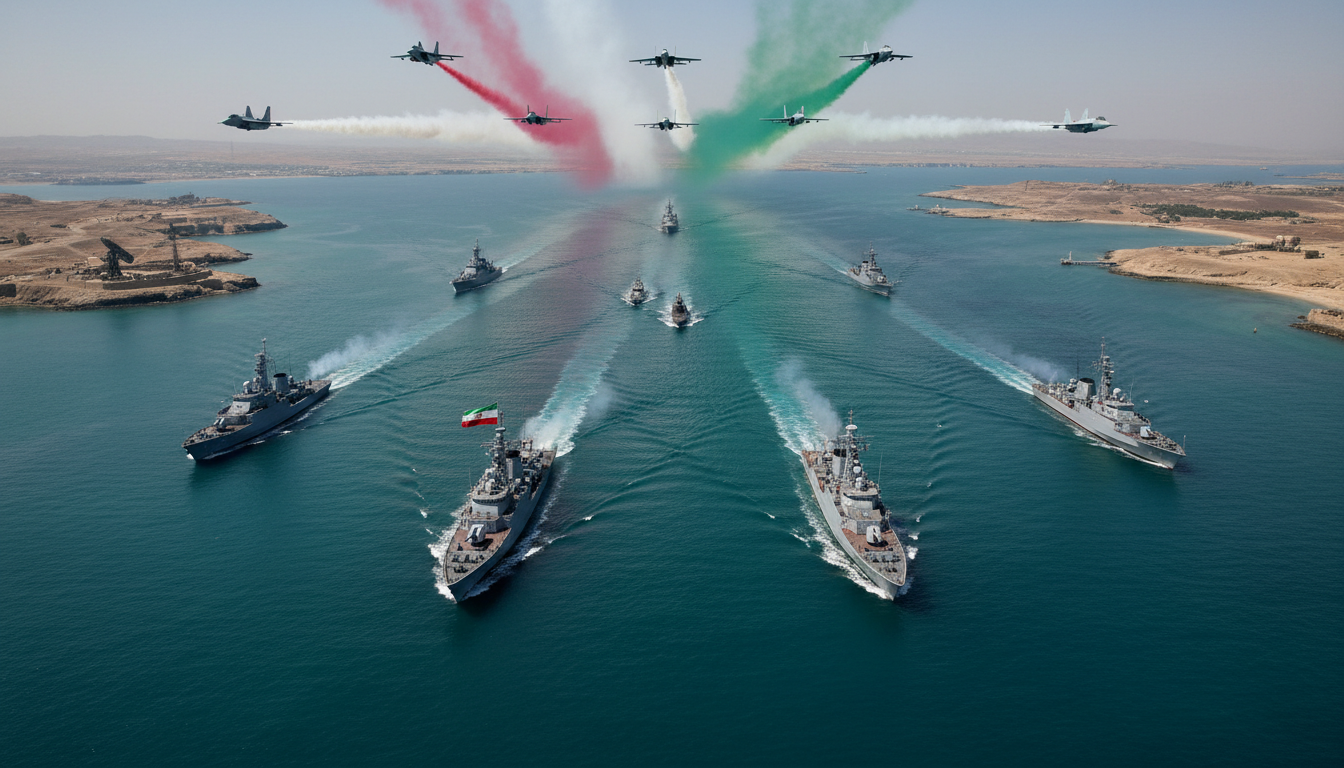
Iran’s Araghchi Tweets to Open Strait of Hormuz, Military Says Control Restored Amid U.S. Blockade
Iran’s foreign minister said he would open the Strait of Hormuz to commercial shipping during a ceasefire, but the military later said it had restored strict control amid a U.S. blockade.
Tehran — Iran’s foreign minister, identified as Araghchi, stunned domestic and international observers on April 17, 2026, by posting on X that Tehran would “fully open” the Strait of Hormuz to commercial vessels during a ceasefire between Israel and Lebanon. The announcement briefly raised hopes of eased tensions in one of the world’s most sensitive maritime chokepoints, only for the Iranian military to assert on April 18 that it had returned the strait’s management to a more restrictive posture because U.S. forces continued a blockade. The rapid sequence of statements exposed a rift between Tehran’s diplomatic messaging and the armed forces’ operational stance, and it reverberated across regional capitals and shipping markets.
Araghchi’s X Post and Its Timing
Araghchi posted his message on X (formerly Twitter) on the evening of April 17, framing the gesture as conditional on the ceasefire between Israel and Lebanon.
The choice of social media as the channel for such a consequential policy pronouncement surprised many inside Iran, where hardline factions favor formal, state-vetted declarations.
Within hours, the minister’s tone drew skepticism from conservative media and political figures who questioned whether a single post could override established military controls over the strait.
Military Spokesman Announces Restoration of Control
On April 18, a spokesman for Iran’s armed forces said the military had reverted management of the Strait of Hormuz to its previous, more tightly enforced condition.
The spokesman cited the continued presence and actions of U.S. forces as the reason Tehran felt compelled to reassert strict oversight of the waterway.
That statement signaled a de facto contradiction with Araghchi’s earlier promise and suggested that operational command remained firmly in the hands of the military rather than the foreign ministry.
Hardliners and State-Affiliated Media Push Back
State-affiliated and hardline outlets immediately criticized the foreign minister’s unsanctioned declaration, arguing that short-form social media statements were an inadequate tool for shaping domestic consensus on matters of national security.
A newswire close to Iran’s elite Islamic Revolutionary Guard Corps amplified those criticisms, portraying Araghchi’s post as precipitous and insufficiently coordinated with military and parliamentary authorities.
Conservative members of parliament also voiced disapproval, underscoring a broader political divide over how Tehran should manage strategic choke points and engage with external pressures.
U.S. Blockade and Reaction from Washington on Social Media
The military’s assertion that a U.S. blockade remained in place followed a social media post from former U.S. President Donald Trump, who indicated that U.S. maritime operations would continue until American demands regarding Iran were fully met.
Washington’s ongoing enforcement measures in the northern Arabian Sea and approaches to the Gulf have been presented by U.S. officials as necessary to secure freedom of navigation and deter hostile activity.
The public exchange of statements on X between Tehran and Washington heightened the sense of uncertainty for commercial shippers and diplomats monitoring the situation.
Implications for Shipping, Insurance and Energy Markets
The Strait of Hormuz handles a substantial share of global seaborne oil and liquefied natural gas transit, so messaging about its openness immediately affects routing decisions and insurance premiums for tankers.
Shipowners and insurers typically respond to mixed or contradictory official signals by raising risk surcharges or rerouting vessels, a dynamic that can increase freight costs and flicker through oil markets.
Market participants and maritime authorities will be watching for clear, consistent signals from either Tehran’s civilian leadership or its military commanders before risking transit through the strait without additional protections.
Diplomatic Fallout and Regional Responses
Regional governments and international shipping organizations urged calm and called for clarity after the conflicting Iranian statements, emphasizing the need to avoid unilateral actions that could escalate tensions.
Arab states in the Gulf, European capitals, and Tokyo likely reviewed contingency plans for energy security and supply-chain resilience while pressing for diplomatic channels to reduce the risk of confrontation.
Analysts say Tehran’s internal disagreement also complicates negotiation prospects, as external interlocutors may find it unclear which Iranian institution speaks for state policy on maritime operations.
Despite the immediate confusion, the episode underscores the strategic leverage Tehran holds over a critical global artery and the limits of unilateral digital diplomacy when military authorities retain operational control.
As commercial operators and foreign governments seek unambiguous guidance, the gulf between a foreign minister’s public outreach and the military’s chain of command will remain a pivotal variable in assessing short-term risks to shipping and regional stability.

