
Iran denies U.S. claim, warns it will re-close the Strait of Hormuz if naval blockade continues
Iran denies U.S. claim on uranium transfer and warns it will re-close the Strait of Hormuz if Washington’s naval blockade continues, raising regional tension.
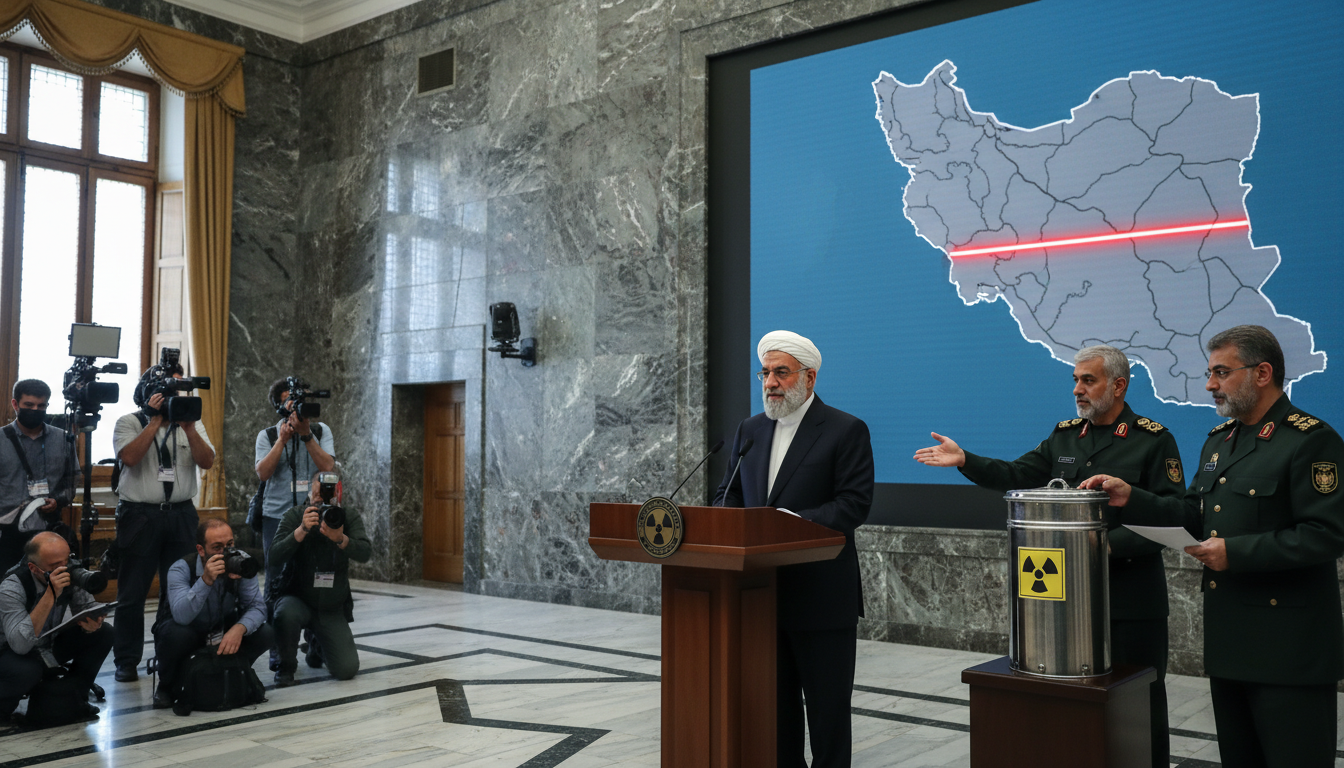
Iran on Saturday rejected U.S. assertions that it had agreed to transfer enriched uranium abroad and threatened to re-close the Strait of Hormuz unless Washington lifted a naval blockade, as a small number of vessels transited the strategic waterway.
The dispute follows a U.S.-imposed blockade announced after Tehran temporarily restricted passage through the strait and then eased those restrictions following a brokered ceasefire in the region.
Iran rejects U.S. uranium transfer claim
Iranian officials publicly denied U.S. statements that Tehran had consented to move enriched uranium out of the country.
Tehran said the allegation was false and framed the U.S. remarks as part of pressure tactics tied to broader diplomatic talks.
The Iranian government did not provide operational details about the enriched uranium program in its denial, but emphasized that any arrangements would be subject to its own conditions and sovereignty.
Parliament speaker warns of renewed closure of Strait of Hormuz
Parliamentary speaker Mohammad Bagher Ghalibaf warned on social media that the Strait of Hormuz “will not remain open” while the U.S. naval blockade persists.
Bagher Ghalibaf said Iran would respond appropriately to what he described as a blockade, signaling a readiness to reassert control over the waterway.
The comment revived earlier tensions over maritime access in a channel responsible for a large share of global crude oil shipments.
U.S. maintains naval blockade and reports ship turnarounds
U.S. Central Command said it had directed at least 21 ships to turn back since the blockade began, citing navigational safety and security concerns.
President Donald Trump confirmed the United States would keep the naval blockade in place until a final agreement addressing outstanding issues was concluded.
U.S. officials framed the blockade as a temporary security measure while negotiations continue, but provided limited detail on the legal or operational framework guiding the interdictions.
Tanker convoy transits amid uncertainty
Despite the heightened rhetoric, a convoy of eight tankers was observed transiting the Strait of Hormuz on Saturday morning, with other commercial vessels preparing to follow.
Ship operators and insurers are closely monitoring movements through the strait as they weigh diversion costs and insurance premiums in response to the blockade and Tehran’s warnings.
The visible passage of tankers underscored that, for now, some maritime traffic is proceeding even as the risk environment remains elevated.
Impact on commercial shipping and regional markets
Shipping firms have signalled concern about longer routing times and increased costs should restrictions on the strait be reinstated, affecting schedules for crude and refined products.
Market participants warned that any sustained closure or further interdictions could put upward pressure on energy prices and disrupt supply chains that depend on Gulf shipments.
Analysts say ripple effects could extend beyond oil markets to global trade routes that rely on timely shipping through the region.
Diplomatic context and potential escalation
The standoff sits against a recent ceasefire that briefly eased tensions after Iran’s earlier restriction of the strait, and comes at a time of fragile diplomatic contact in the region.
Regional and international actors have urged de-escalation and the resumption of talks to prevent maritime incidents that could spiral into wider conflict.
Both Washington and Tehran face domestic political pressures that complicate bargaining space, increasing the risk that tactical moves at sea could have outsized strategic consequences.
The coming days will be critical for the Strait of Hormuz and for diplomatic channels seeking to defuse the dispute, as ship movements, military posture and political statements continue to shape the operational picture in one of the world’s most sensitive maritime corridors.

