
Japan Approves 2026 Supplementary Budget Amid Concerns Over Use of Reserve Funds
A short-session vote on June 5, 2026, approved a supplementary budget of about 3.1 trillion yen, sparking debate over executive discretion in spending and the growing role of contingency reserve funds in Japan’s fiscal policy. The 2026 supplementary budget aims to respond to prolonged Middle East tensions and surging energy costs, but critics warn the package weakens parliamentary oversight of public spending. Prime Minister Sanae Takaichi’s cabinet pushed the measure through with unusually brief deliberations in both houses, heightening scrutiny of budgetary practice and fiscal democracy.
Supplementary budget passed on June 5, 2026
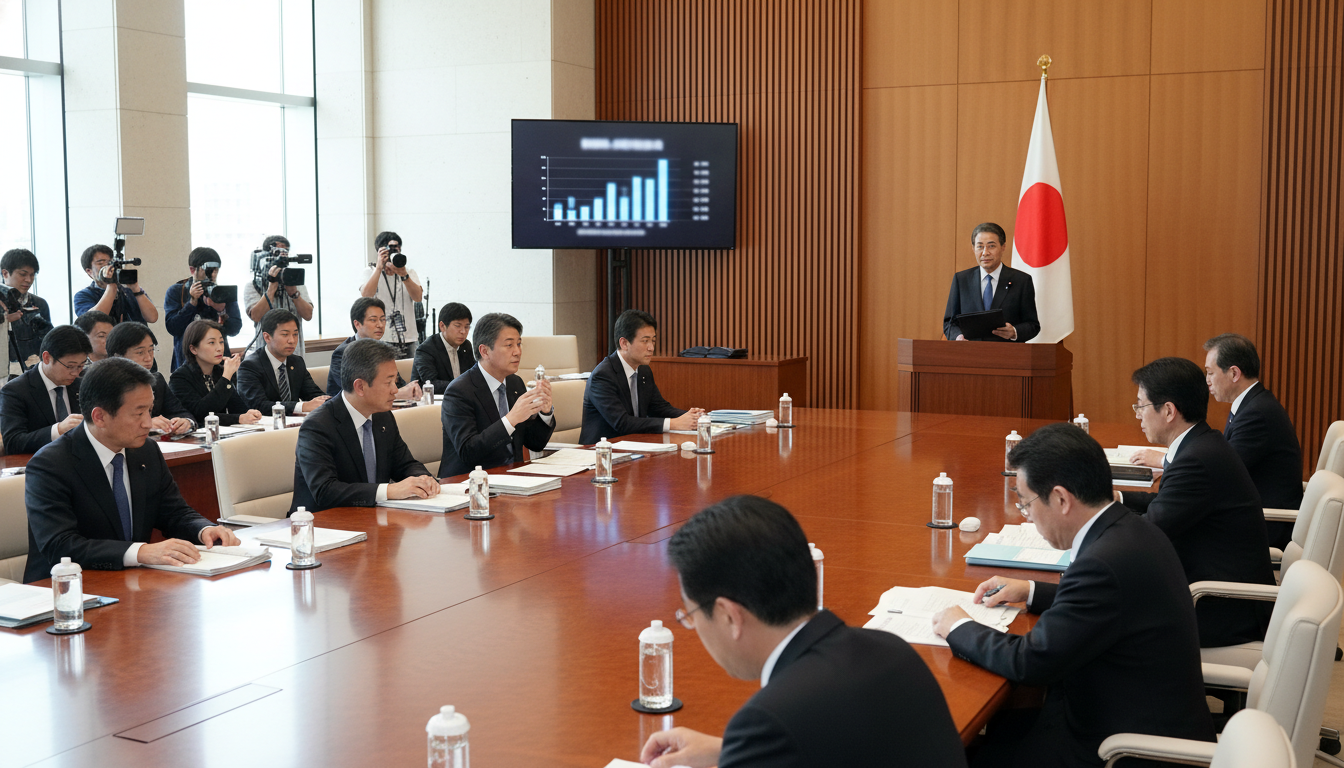
The Diet approved the 2026 supplementary budget on June 5 after expedited proceedings in the House of Councillors. Lawmakers gave final passage to a package totaling just over 3 trillion yen, according to government disclosures. The government framed the measure as urgent response funding to address international energy market disruptions tied to conflict in the Middle East.
The enacted total is considerably smaller than some recent supplements that exceeded 10 trillion yen, but its composition and the process by which it was approved have drawn intense attention. Officials said speed was necessary to provide flexibility against rising fuel prices and other external shocks, but the scale of executive discretion built into the package has alarmed opposition parties and some budget scholars.
Large portion allocated to contingency reserve funds
A substantial share of the supplementary budget was channeled into Japan’s contingency reserve, known domestically as yobihi. The government characterized the increase as insurance against further unforeseen developments abroad and domestic energy price spikes. Administrators argue that a robust reserve enables rapid responses without waiting for protracted parliamentary negotiation during crises.
Critics counter that loading the budget with reserve funds transfers decision-making authority from elected representatives to the executive branch. They warn that unless tightly constrained, such reserves can be deployed without sufficient scrutiny, undermining the representative system in which the Diet determines spending priorities.
Parliamentary deliberations limited to one day
Both the House of Representatives and the House of Councillors held formal deliberations that, in practice, lasted only a single day for this supplementary budget. The compressed schedule contrasts sharply with established norms in which Diet committees and plenary sessions scrutinize proposed spending over several days or weeks. Opposition lawmakers described the timetable as unacceptable and said it prevented meaningful questioning of how contingency funds would be used.
Government supporters defended the process as a necessary expedient in the face of an evolving international crisis. They said prolonged debate could delay aid or market-stabilizing measures at a moment when speed mattered. Nevertheless, the brevity of deliberations has escalated wider concerns about procedural precedent and future executive-legislative balance.
Historical context: balanced-budget principle and deficit practice
Japan’s Finance Law enshrines a principle of balanced budgets, requiring expenditures generally be covered by tax and other revenues. Yet, since the 1960s, deficit financing and supplementary budgets have become routine features of fiscal policy. That long-term trend has normalized departures from strict balance, and each supplement further tests the institutional limits of fiscal governance.
This latest supplementary budget underscores a tension between legal principles and administrative realities. While reserve funds were designed for truly exceptional circumstances, their expanded use during and after the COVID-19 era has shifted expectations about when and how they should be tapped. Observers note that a steady slide toward executive-driven reallocations risks eroding the central role of parliamentary scrutiny in fiscal matters.
Government rationale and policy priorities
The cabinet justified the supplement on grounds of national interest, citing prolonged instability in the Middle East and its effects on energy supplies and prices. Measures within the package are intended to stabilize domestic energy markets, support vulnerable sectors, and shore up emergency preparedness. Officials also signaled flexibility on targeted fuel assistance, while hinting at potential adjustments as market conditions change.
Despite these stated aims, some questions remain about allocation transparency. Analysts and opposition lawmakers requested clearer reporting on when and under what conditions the contingency reserve will be spent. They urged the government to publish detailed plans tying specific contingencies to disbursement triggers to restore public and parliamentary confidence.
Political reactions and implications for future budgets
Opposition parties have vowed to press for changes to rules governing the use of reserve funds and to seek enhanced oversight mechanisms. The debate is likely to play into broader discussions about fiscal governance ahead of future budget cycles and potential elections. Proponents within the ruling coalition argue that nimble fiscal tools are essential in an era of geopolitical uncertainty; opponents counter that democratic accountability should not be sacrificed for administrative convenience.
How the government implements the contingency spending over coming months will be closely watched by markets, industry groups, and civil society. The episode may prompt legislative proposals aimed at restoring stronger parliamentary review or at least clearer statutory conditions for extraordinary expenditures.
The passage of the 2026 supplementary budget on June 5 has thus reopened fundamental questions about who should decide public spending in times of crisis and how to balance speed with democratic oversight. As ministries begin to deploy funds, the contest between executive flexibility and legislative control is likely to shape Japan’s fiscal practice for years to come.

